BIM Coordination Services for Warehouse Project in California

BIM Coordination Services for Warehouse Project in California

BIM Coordination Services for Warehouse Project in San Diego, CA

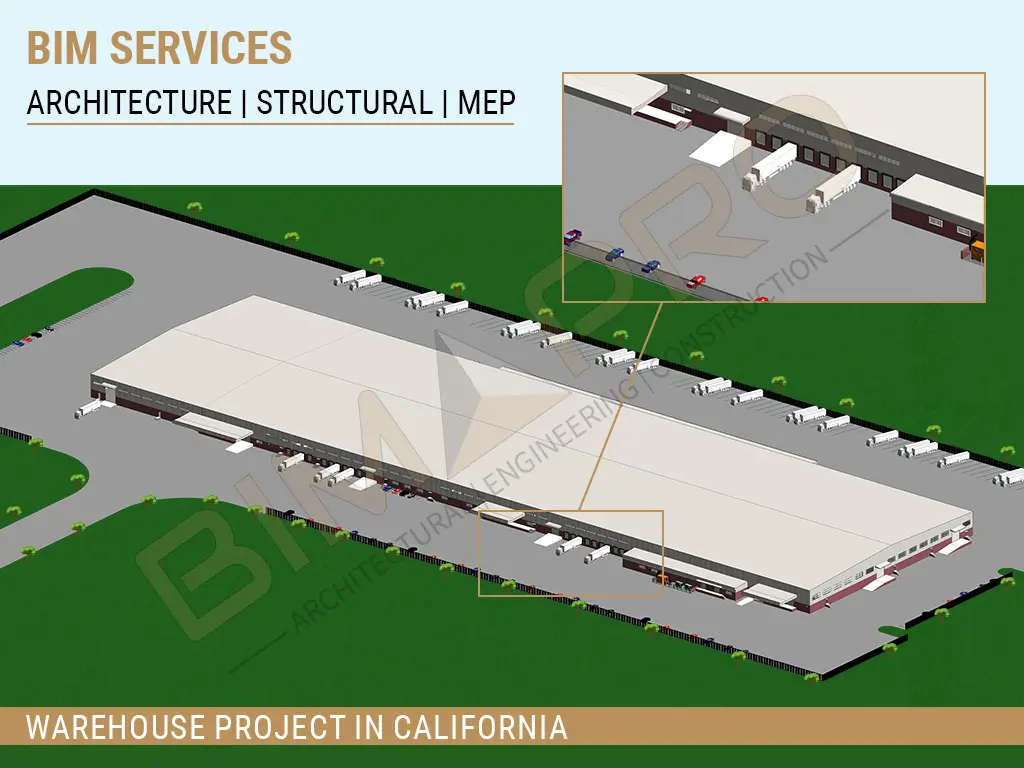
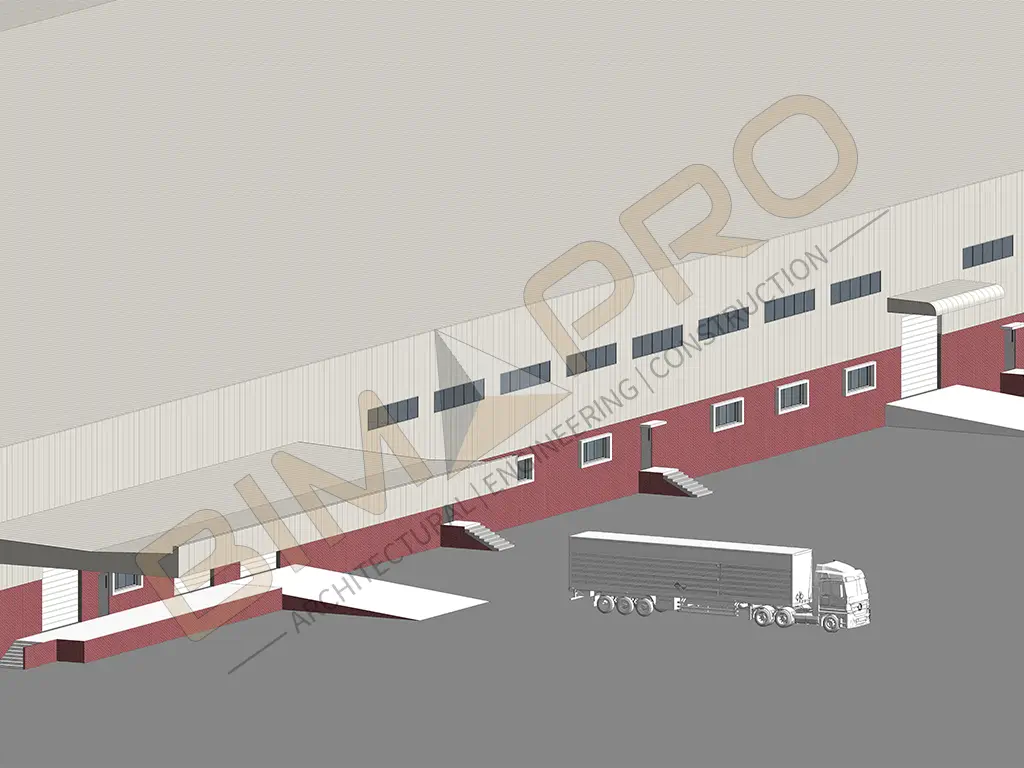
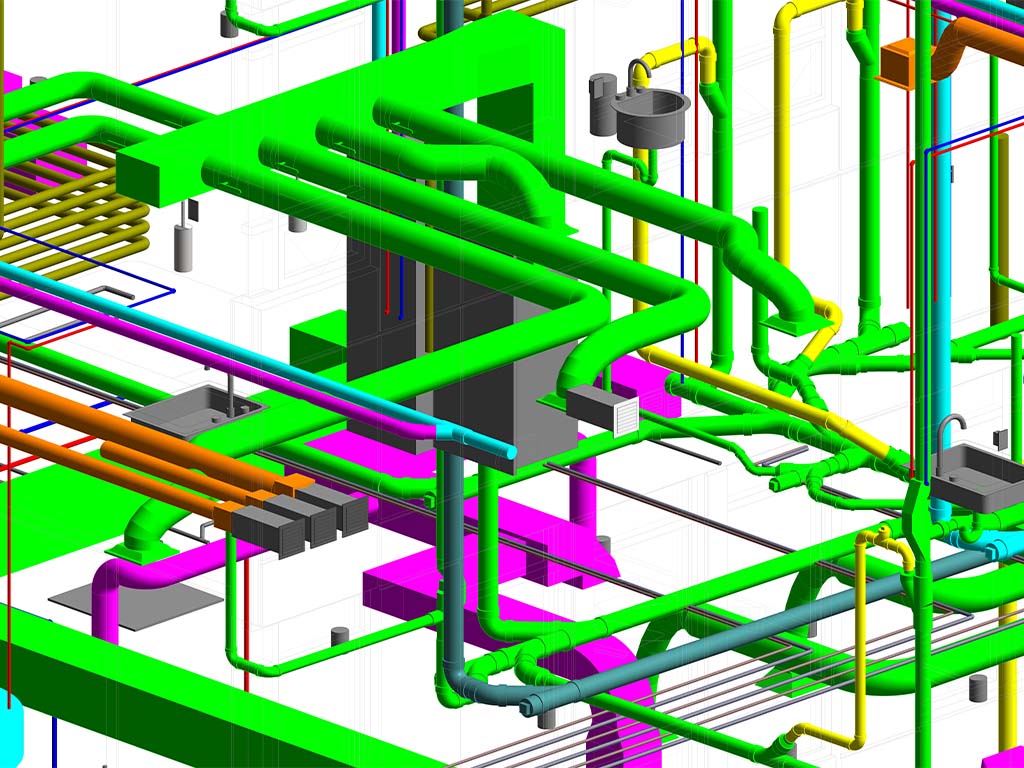
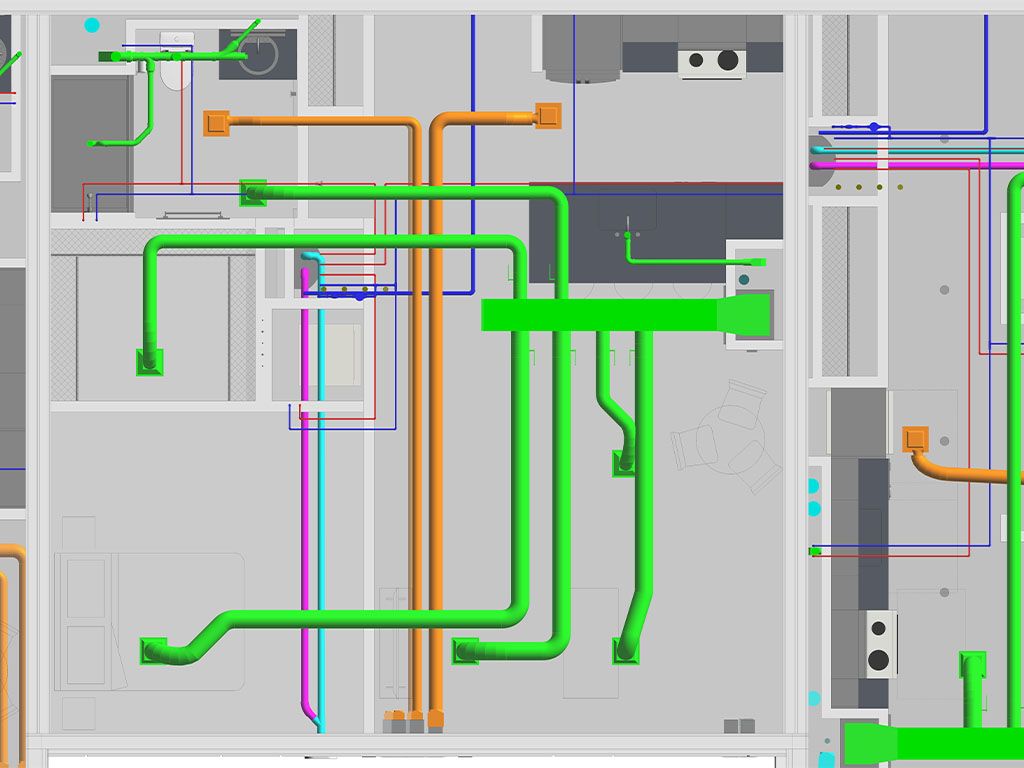
BIMPRO, LLC has successfully delivered BIM Coordination Services for a 520,000 sq.ft. industrial warehouse + office project located in San Diego, California, USA. Our client as an general contractor firm requirements were to produce a well coordinated BIM model including the coordination, clash detection and BIM modeling for the architectural structural and MEP-FP disciplines. 

Services Provided: BIM Modeling, Construction Documents Set, MEP Coordination Services, Clash Detection Services, Shop Drawings

Project Location: San Diego, California

Area: 520,000 sq. ft.

LOD: 350 & 400

Software: Revit, AutoCAD, Navisworks, Tekla

1,000+

Successful Projects

5+

Years of Experience

10+

Sectors Served

Project Description:

This industrial warehouse project included with office space is a new construction project based out in San Diego, California state of USA. As a BIM Coordinator for the project we were closely collaborating with multiple stakeholders for the project including designers, engineers, and subcontractors for efficient coordination.

We have conducted and participated the BIM coordination meetings (both virtually and on-site), ensuring better communication, decision making, mitigating errors, project on schedules, save time. 

Our BIM team has successfully executed this large BIM construction warehouse project as per client requirements, inputs and industry standards and produced a very well coordinated and error free BIM model. 

Explore Our BIM Coordination Projects in USA

Architectural Modeling for Apartment Project in Miami, Florida - BIMPRO, LLC USA

Architectural Modeling for Apartment Project in Miami, FL We have provided Architectural Modeling Services for a Miami, Florida based 18 story multi-family …

BIM Services for industrial warehouse project in california - BIMPRO LLC USA

BIM Coordination Services for Warehouse Project in San Diego, CA BIMPRO, LLC has successfully delivered BIM Coordination Services for a 520,000 sq.ft. …

Plumbing BIM Services for Technology Building in Texas

Plumbing BIM Services for Technology Building in Harlingen, Texas BIMPRO LLC have provided exceptional Plumbing BIM Modeling and Clash Detection services for …

3D Architectural Visualization and Rendering Services for Hotel Project in Chicago

Architectural 3D Rendering for Hotel Project in Chicago, IL BIMPRO has provided 3D rendering visualizations of architectural design for a hotel project …

Let's Discuss your BIM Coordination Services Requirements

BIM in Construction Industry

BIM in Construction Industry

BIM in Construction Industry

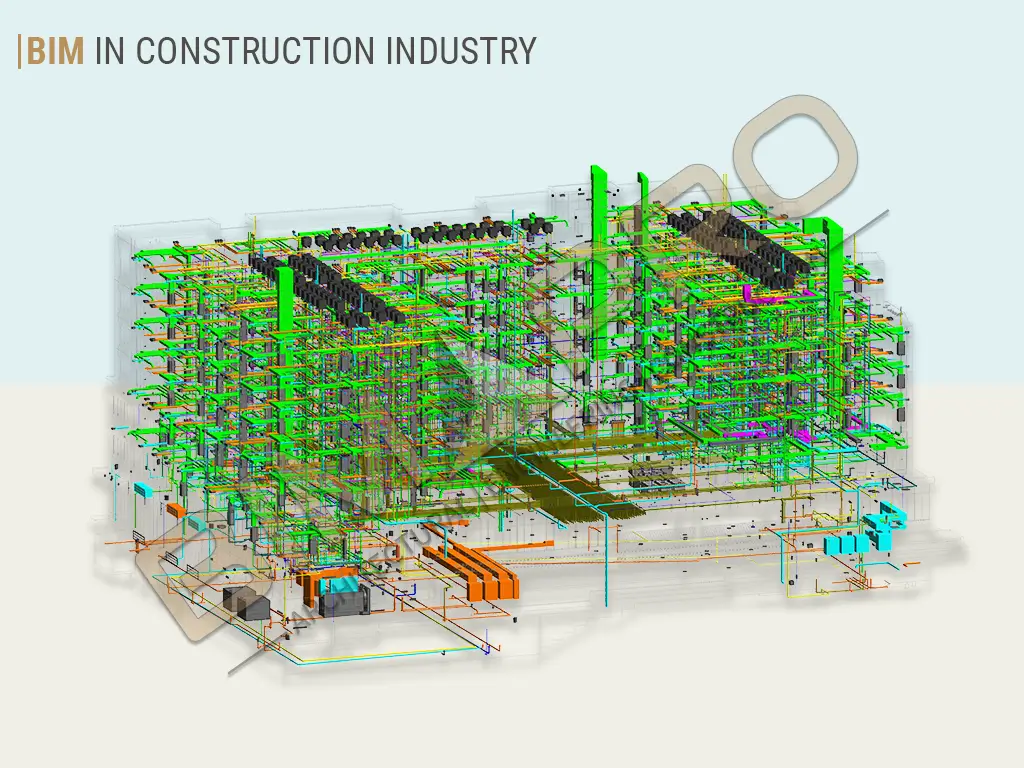
Building Information Modeling (BIM) has had a profound impact on the construction industry, revolutionizing the entire process of project planning, design, and construction. BIM offers a digital 3D representation that captures both the physical and functional aspects of a building’s facility. This technology encompasses detailed geometric and semantic information from various architectural, MEP (Mechanical, Electrical, Plumbing), and structural disciplines, all seamlessly integrated to create a comprehensive 3D BIM model of the structure.

One of BIM’s key strengths lies in fostering collaborative efforts among all stakeholders involved in design and construction, including architects, engineers, general contractors, and trade contractors. This collaboration takes place within a shared digital BIM platform.

BIM’s transformative impact on the construction industry extends to numerous areas. It enhances team collaboration, optimizes design, detects clashes, estimates costs, manages scheduling, and streamlines facility management. The adoption of BIM within the construction sector continues to grow steadily. This is primarily due to construction companies recognizing the manifold advantages it offers, including improved project outcomes, risk mitigation, cost savings, shortened turnaround times, and heightened efficiency throughout the building’s lifecycle.


BIM Uses in the Construction Phase

BIM uses refer to the practical applications derived from the BIM process. The essential applications of BIM in the construction industry are introduced and further explained below:

  • Existing Conditions Modeling or Field Capturing

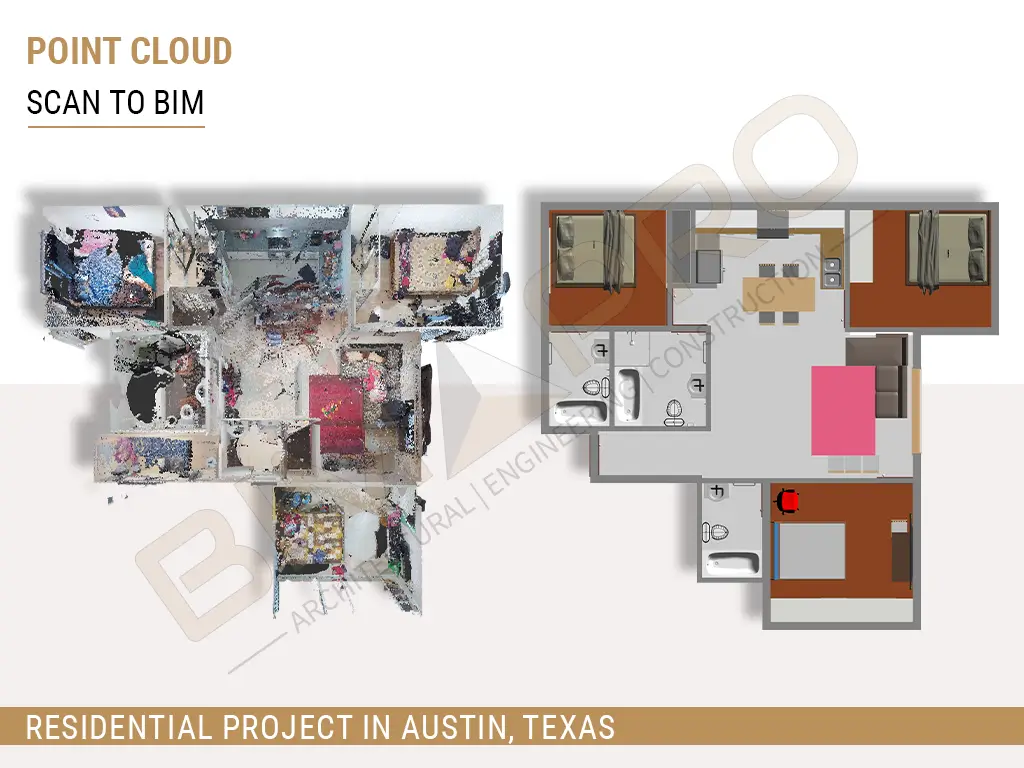
A 3D model can be created to represent the current state of a site, a facility, or a specific space. Various techniques, such as modeling software, laser scanning, and surveying methods, can be employed to develop this model. The choice of method depends on project requirements and objectives. Laser scanning, for instance, generates an exceptionally precise 3D point cloud. This data can then be integrated into the BIM model and used either to model the area accurately or to validate existing models.

Explore: Point Cloud Scan to BIM Services

  • Cost Estimation or Quantity Takeoff

A BIM 3D model is valuable for generating precise quantity takeoffs of building materials and components. The 3D model is connected to cost data, enabling the extraction of accurate cost estimates.

  • 4D Modeling

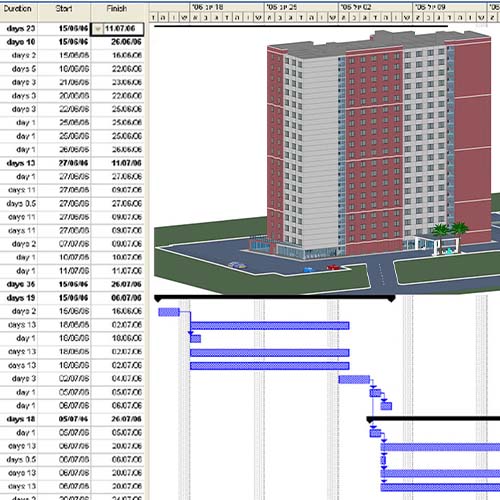
4D modeling is a process utilized to plan and visualize the phased occupancy of construction projects. This technique proves particularly valuable for tasks like renovation, addition, retrofitting, or any project requiring coordinated sequencing of construction activities. The essence of a 4D model lies in integrating the traditional 3D building model with the dimension of time. This integration empowers stakeholders to not only visualize the project’s construction sequence but also to gain a comprehensive understanding of its execution and scheduling.

Explore: 4D Construction Simulation Services

4D Construction Simulation Services in USA
  • Site Utilization Planning

By connecting the information from the 3D model with the 4D schedule, project stakeholders can efficiently communicate spatial and sequencing requirements at the construction site. This integration fosters a clearer comprehension of how diverse elements come together over time, aiding in the early detection of potential conflicts or constraints that might arise during the construction process.

  • 3D Coordination and Clash Detection

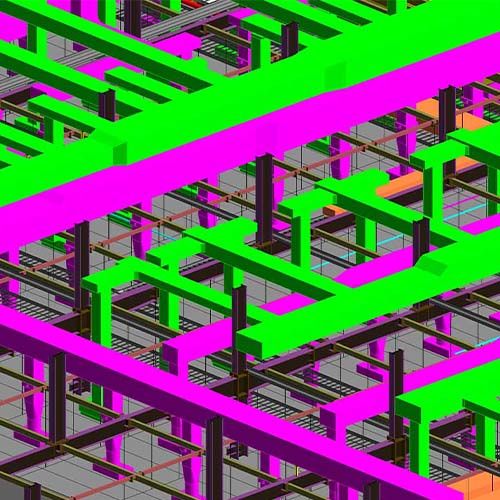
Clash detection software is a valuable tool used in the construction industry to coordinate and identify clashes or conflicts between different building systems. It compares the 3D models of various systems, such as architectural, structural, mechanical, electrical, and plumbing, to detect any clashes before the actual construction or installation takes place.

Explore: BIM Coordination Services and Clash Detection Services

BIM Coordination Services - BIMPRO LLC
  • Construction System Design or Virtual Mock-up

3D modeling software is widely used in the construction industry to create, design, and analyze building systems. It enables the detailed development of 3D representations for various components like formwork, glazing, tie-backs, and more.

A significant focus when using this software is on the connections between different building elements. These crucial junctions require collaboration and coordination across various trades. The software allows for in-depth analysis of these connection points.

  • Digital Fabrication

Thanks to BIM technologies, digital fabrication minimizes uncertainties during manufacturing and provides clear instructions for component production, reducing waste. Manufacturers can accurately translate design plans into fabrication instructions, minimizing errors and enhancing efficiency. This technology is applied in areas such as sheet metal fabrication, structural steel fabrication, pipe cutting, and 3D printing for prototyping.

Explore: Shop Drawings Services

  • 3D Control and planning or Digital Layout

Information models are used to position facility components and automate equipment control and movement.

  • Field/Manage Tracking

During construction, commissioning, and handover, Field Management BIM software helps manage tasks, quality control, safety, and document reporting. It’s connected to BIM models and ensures smooth processes.

  • Record Modeling or As-built Modeling

Record modeling accurately portrays the physical conditions, environment, and assets of a facility. It combines BIM models created during design, construction, 4D coordination, and subcontractor fabrication to deliver a comprehensive record model for owners and facility managers.

Why BIM is Important to Construction Managers?

While the design team is often associated closely with Building Information Modeling (BIM), Construction Managers (CM) also play a vital role in ensuring a successful construction project. Even though CMs typically don’t create the BIM model itself, they need a solid grasp of the procedures and technologies used throughout the project’s entire lifespan, not just the design phase.

It’s crucial to oversee the asset from its creation to its operation and eventual decommissioning. Construction managers must understand BIM data thoroughly, contribute to it, and verify its accuracy to make the most of its benefits. They need to use model information and innovative approaches to support new construction techniques, scheduling, costs, quality, coordination, fabrication, sequencing, facilities management, and more. To fulfill these broader responsibilities, construction managers need to embrace new tools, processes, and skills

Benefits of BIM for Contractors

BIM has become a valuable method in the construction industry, offering several benefits that general contractors and subcontractors implement for efficient project outcomes.

  • Enhanced Planning and Design

BIM enables contractors to collaborate closely with architects and engineers during the project’s planning and design phase. This collaboration allows contractors to provide input on constructability and cost-effective solution

  • Streamlined Coordination

BIM improves coordination among various trades by integrating architectural, structural, mechanical, electrical, and plumbing models in platforms like Navisworks. This integration detects clashes and resolves conflicts before construction starts.

  • Accurate Cost Estimation

General contractors and subcontractors can extract accurate quantities of building materials directly from detailed BIM models. This eliminates manual calculations and errors, ensuring precise bidding and procurement.

  • Advanced Construction Simulation and Scheduling

BIM allow platform to integrate construction simulation and scheduling data with the 3D BIM model. This help owners, contractors to optimize project timelines, plan resources, ensuring efficient project execution.

  • On-site Construction Management

BIM allow real time onsite access in digital model which allow contractors to monitor the accurate installation, verify compliance with design intent, and track construction progress.

Conclusion

Utilizing BIM in the construction industry empowers general contractors and subcontractors, enhancing construction execution and coordination. This, in turn, boosts overall project efficiency, mitigates construction risks, reduces cost overruns, and saves time and budget. By integrating BIM with contractors during the early planning and design phases, design errors can be minimized and resolved before construction begins.

References

Read More Related Blogs

The Evolution of BIM - 2D Drafting to 7D BIM BIMPRO LLC

The construction industry has witnessed a remarkable transformation over the past few decades, driven by technological advancements. One of the most significant …

Cloud-based BIM - Transforming AEC

Building Information Modeling (BIM) has significantly transformed the Architecture, Engineering, and Construction (AEC) industry by improving project visualization, coordination, and overall efficiency. …

Understanding BIM Outsourcing Services in USA

Building Information Modeling (BIM) outsourcing has become an essential practice in the architectural, engineering, and construction (AEC) industry in the United States. …
MEP Coordination Services for Residential Apartment Project

MEP Coordination Services for Residential Apartment Project

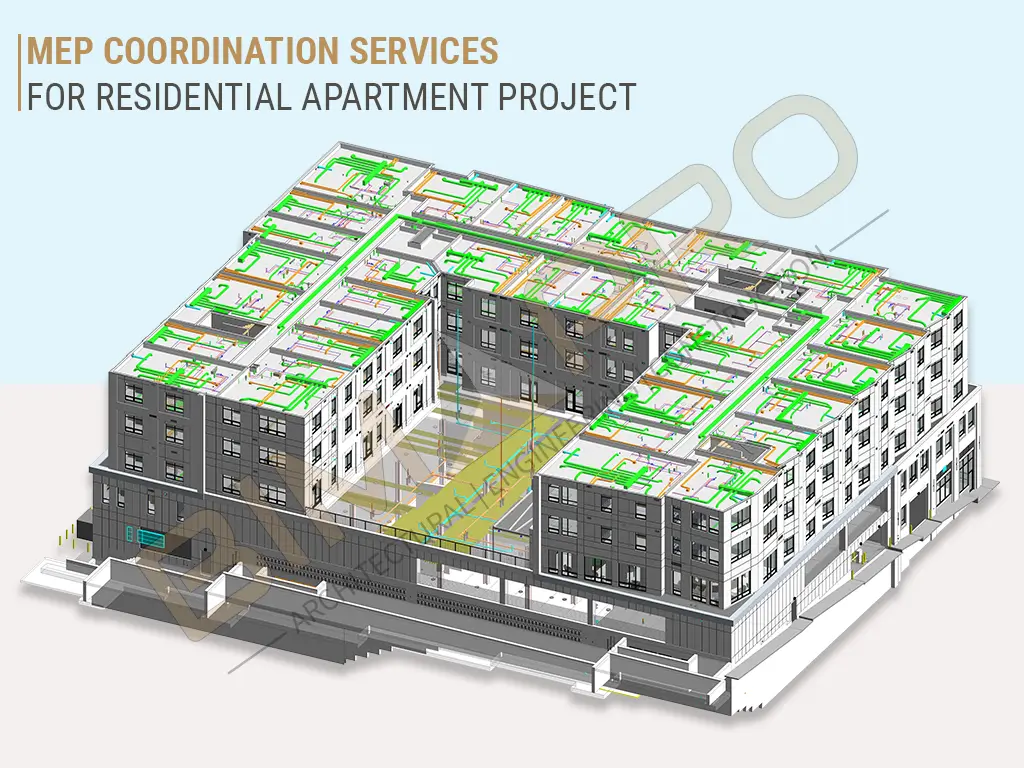
Setup of MEP coordination services framework presents a significant challenge for complex Apartment projects. Today, residential projects are so complex that specialized contractors and consultants with experience are needed to execute them within the given budget and timeframe.

However, due to a lack of awareness of various digital tools available in the market, consultants and contractors often use semi-digitalized methods for executing MEP projects, in which design coordination is done through AutoCAD plans, while the most critical part, clash detection, is done manually.

This approach often results in identifying different service clashes during the execution stage, which leads to rework, time consumption, and cost overruns. Sometimes, the cost of this rework is so high that it negatively affects the project, resulting in cost overruns, time overruns, and reducing the profits of all parties involved.

MEP Coordination Using BIM Technology

In the construction industry, the mechanical, electrical, and plumbing (MEP) systems of a facility can represent up to sixty percent of its total cost. Given this significant figure, coupled with the challenges of routing each of these systems, MEP coordination becomes a high priority in the Residential apartment design of constructions.

This coordination typically involves the trade contractors and other responsible parties such as engineers and VDC coordinators, who work together to integrate their systems into the apartment building. Traditionally, this process involved a time-consuming overlay of drawings to identify clashes and route the MEP systems.

With the development of computer-aided design (CAD), this process became faster and replaced the traditional approach. However, with the introduction of Building Information Modeling (BIM) technologies, new processes have emerged that include clash detection and highly detailed visualizations, taking MEP coordination for Apartment project to the next level.

Some of the BIM software can be used for effective MEP coordination are Autodesk’s Revit, Navisworks, BIM360 Glue, Procore, Tekla, Trimble Connect, and more.

BIM MEP Coordination Services - BIMPRO LLC USA

BIM-based MEP Coordination Services for Apartment Projects

BIM-based MEP coordination services ensure that the MEP systems of the apartment project are designed, coordinated, fabricated, installed and construct correctly and efficiently. BIM coordination services facilitate collaboration among various stakeholders involved in the BIM construction project including architects, MEP engineers, general contractors, MEP contractors, and other trades.

The BIM Model allow all stakeholders a digital representation of physical and functional characteristics of the MEP systems of building’s facility.

MEP Coordination Services - BIMPRO LLC USA

MEP Coordination Process for Apartment Project

The BIM MEP coordination process usually begins with the creation of a 3D model of the building, which includes the architectural, structural, and MEP systems. Each MEP system is then modeled in detail, including ductwork, piping, conduits, and other components.

Explore: MEP BIM Services

The model is then analyzed for potential clashes between different systems or components. These clashes are resolved by adjusting the position or configuration of the affected components in the model.

Explore: Clash Detection Services

Once the coordination process is complete, the final 3D model serves as a basis for generating detailed shop drawings, fabrication models, and installation drawings.

Explore: Shop Drawings Creation Services


  • Use Standard MEP Template

Use company standard MEP template for modeling which include MEP components.

  • Positioning MEP model with Architectural Model

Add architectural model coordinates to MEP model and positioning them by using the “Origin to Origin” approach.

  • Create Levels and Grids for MEP Model

Align the levels and grids of MEP model with the base model (architectural and structural model)

  • Create MEP Worksets

Creating worksets to show and hide the mechanical, electrical, plumbing, fire protection elements for better visualization.

  • Develop MEP-FP Model

Create highly detailed and accurate 3D MEP Model based on the required BIM LOD, BEP (If available), specifications, drawings, and client’s input.

  • Run Clash Detection

Run interdisciplinary Clash detection between architectural, structural, mechanical, electrical, plumbing, fire protection systems and generate clash reports.

  • Review and resolve

All clashes’ elements can be identified by their clash ID and that can be fixed in the Revit file. Some complicated clashes can be reviewed and resolved with the contractors and design team by generating RFI, clash reports and change orders.

MEP Coordination Services - Texas - BIMPRO LLC USA

Benefits of BIM MEP Coordination Services

  • Clash Detection and Resolution – Identify and resolve the clash between multiple disciplines before the construction begins.
  • Optimum Space Utilization –  Optimal utilization of available space to maximize functionality of MEP design layouts.
  • Enhance Building Performance –  It ensures that all MEP components works seamlessly throughout the project lifecycle, facilitating energy efficiency, sustainability, operational effectiveness.
  • Save Cost Overrun – Resolution of clash errors in the early phase of design and construction can reduce the reworks, material wastage and facilitate the cost savings.
  • Streamline Construction Schedules – Facilitate smoother construction schedules by minimizing the disruption caused by clashes and delays.
  • Mitigate Risk – It provide safe working environment by eliminating hazards and ensure safety regulations, thus mitigating the risk associated with MEP systems during the construction and operation phase. 
  • Effective Collaboration – It provide a collaborative platform for all team members where they can communicate effectively to facilitate the smooth decision making process.

Conclusion

In conclusion, MEP coordination services are a critical method for apartment’s design and construction project. With the advent of BIM technology, MEP coordination has become more efficient and effective, reducing the risk of rework, delays and cost overruns. BIM software allows all stakeholders to work collaboratively on a project, identify potential clashes and solve them before construction begins. This results in a more streamlined construction process, better quality control and ultimately, successful project outcomes.

References

Architectural Modeling | Office Renovation Project | New York

Architectural Modeling | Office Renovation Project | New York

Interior Revit Architectural Services for Office Project in New York City, NY

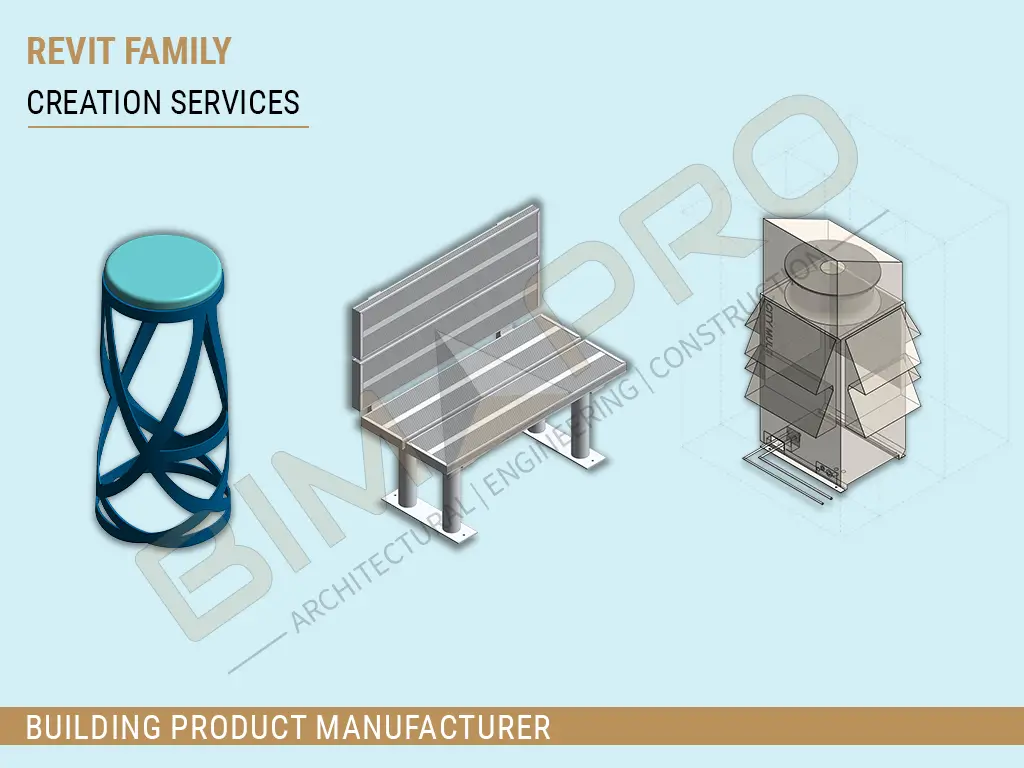
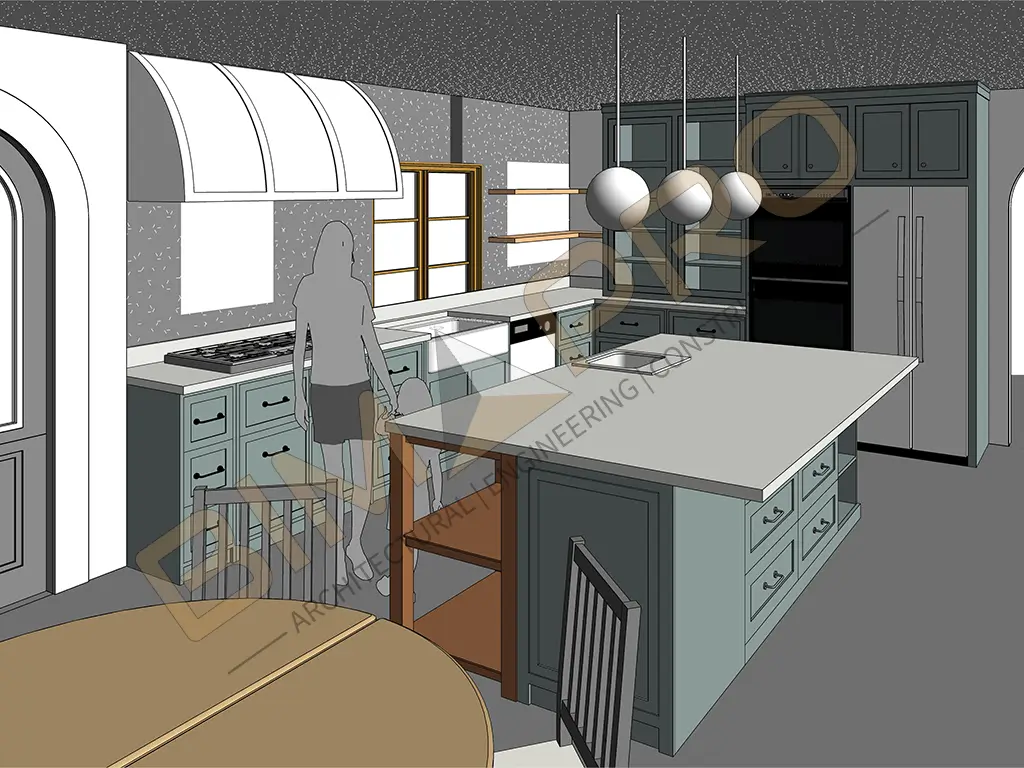
BIMPRO, LLC has provided interior architectural modeling services for a New York-based office renovation project. The overall requirement of the project was to convert the CAD file of the office renovation into a 3D model and generate construction documents. We have modeled interior architectural components such as walls, windows, doors, and storefronts. Along with modeling, we have created Revit families of office components such as chairs, tables, reception desks, sofas, fountains, and special equipment.

Services Provided: Architectural Modeling, Revit Family Creation Services
Project Location: New York City, NY
Area: 35,000 sq. ft.
LOD: 300
Software: Revit, AutoCAD

1,000+

Successful Projects

5+

Years of Experience

10+

Sectors Served

Explore Our Architectural Modeling Projects in USA

The current query has no posts. Please make sure you have published items matching your query.

Let's Discuss your Architectural Modeling Requirements in New York State

BIM Implementation Strategies for Small and Medium-Sized firms in AEC industry

BIM Implementation Strategies for Small and Medium-Sized firms in AEC industry

BIM Implementation for SME firms in AEC industry - BIMPRO LLC USA

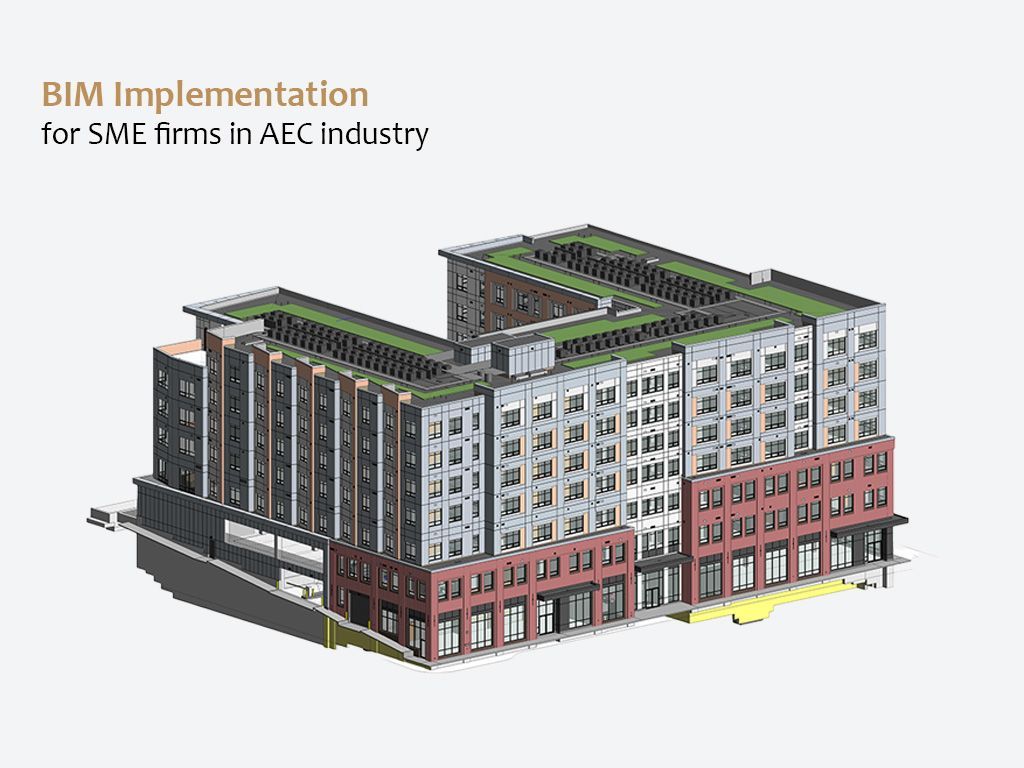
BIM implementation is increasingly gaining traction. The architecture, engineering, construction, and operations (AECO) industry across United States is rapidly transitioning to a digital landscape, and Building Information Modeling (BIM) has become an integral part of this transformation.

Building industry stakeholders recognize the benefits of virtual prototyping, which allows for more efficient design reviews, greater precision in construction, and the ability to evaluate cost-saving alternatives and other critical parameters.

Small and Medium Enterprises (SMEs) in USA play a vital role in the architecture, engineering, construction, and operations (AECO) industry, and their innovative practices are crucial for implementing Building Information Modeling (BIM) within an Integrated Design framework.

While USA governments encourage BIM-oriented approaches in their state and federal projects across multiple sectors of AEC industry. Small companies’ involvement in common BIM adoption is often insufficient, resulting in a significant BIM-gap that hinders the industry’s overall adoption of innovative BIM technologies in construction.

Encouraging SMEs to adopt BIM can help improve the productivity and economic profitability of the AECO industry, as well as reduce risks for individual firms.

BIM Implementation for SME Firms

Managing the implementation of Building Information Modeling (BIM) for Small and Medium Enterprises (SMEs) is a critical task that requires addressing various risk diversities and identifying the barriers and challenges that can impede the change process.

Although BIM implementation is expanding, it remains slow among SME firms, and larger companies with in-house BIM capabilities typically undertake large and complex BIM projects, utilizing BIM software and technological resources to develop 3D models and coordinate internally to ensure successful project completion.

The architecture, engineering, and construction industry in the USA must overcome several challenges to achieve effective BIM implementation, which involves technology, process, people, policy.

The transition to using BIM is dependent on changing hardware and software, which are essential in the BIM implementation process in the United States.

BIM Implementation for Architectural firms

BIM business transformation can deliver real business benefits, but it requires companies to evolve their current beliefs, culture, technology, and standards. Changing the way infrastructure organizations work today is no small task.

This transformation requires organizational and process improvement, technology adoption, and alignment with overarching strategies and goals to fully realize the organization’s BIM vision.

Critical Factors for BIM Implementation for SME firms

There are many new workflows and procedures that must be planned. Tested and deployed but these high-level BIM implementation areas are critical for generating change in the SMEs organization.

1. Developing Policies and Strategies

The implementation of BIM can be strategically aligned with an organization’s overall goals and objectives to enhance competitive positioning, achieve operational excellence, and ensure effective project delivery. Developing policies and strategies for the implementation of BIM can offer various benefits in this regard.

2. Change Management

The BIM change and adoption program built to deliver the expected benefits in operational performance through program coordination, knowledge transfer, performance management,

and education and training. The AECO industry must invest in training programs and workshops to enable workers to acquire the necessary skills and knowledge to implement BIM effectively.

3. Define Standards and Processes:

Well-defined standards and processes must be established to govern BIM usage in all projects and programs. These standards and processes should support the application of BIM practices and enable stakeholders to operate effectively while adhering to established methods.

4. Integrated BIM Technology

Integrated BIM technology refers to the use of BIM process and model management tools that are seamlessly integrated with enterprise systems. This integration enables the delivery of information in a collaborative environment across the organization and project teams. Also, BIM implementation relies heavily on technology, which includes hardware, software, and other digital tools.

BIM Implementation Strategies for SME Firms

Small and medium size firms in AEC industry face various challenges to implementing BIM. However, with the right strategies and approaches can successfully implement BIM and provide optimum benefits of technology. Following strategies can be considered for BIM implementation.

1. Start Pilot Projects

SME firms should start testing their BIM technology with the small project or pilot projects. It is a way to gain BIM experience and confidence in using BIM software. It will help in mitigating risks and cost associated with BIM implementation.

2. Utilize Government Incentives

In USA, government offers various schemes for SMEs to participate in state and federal construction BIM projects. Some minority based and women minority-based firms can also be part of such schemes. These incentives provide tax credits, training programs, provide staff and counterweight the cost of BIM implementation.

3. BIM Partnership

SME firms can collaborate with other firms who already have been gaining knowledge and working experience in BIM. Joining such communities can help SME firms in learning how to optimize BIM utilization.

4. BIM Training and Programs

SME firms should invest their time and money in training and education programs to ensure their team and management have well skills and knowledge to use BIM. BIM training can be provided through in-house, online certification courses, and hiring BIM trainers or BIM consultants.

5. Cloud based BIM Tools

Cloud based tools centralize information and connecting the workflow, team and data to collaborate together and build better. This reduces risk, improve quality, and deliver projects on time and on budget.

Read another article: BIM LOD 100, 200, 300, 350, 400, 500

Conclusion

In conclusion, BIM implementation can be a significant challenge for small and medium-sized construction firms. However, by developing a clear strategy that includes defining clear goals, starting small, investing in training, selecting the right software and hardware, collaborating with stakeholders, and evaluating performance, small and medium-sized construction firms can successfully implement BIM and enjoy the benefits of this innovative technology.

References

Read More Related Blogs

Convert PDF to BIM

In the ever-evolving world of architecture, engineering and construction, efficiency is key. Building Information Modeling (BIM) has revolutionized the way projects are …

3D Laser Scanning - Types, Benefits, Applications - BIMPRO

3D Laser Scanning 3D laser scanning techniques have been developed since the end of 1990s for 3D digital measurement, documentation and visualization …

Comprehensive Guide of Scan to BIM

Comprehensive Guide of Scan to BIM

What is Scan to BIM? Scan to BIM is an innovative process that involves using 3D scanning technologies to capture precise measurements …

BIM in Construction Industry USA

BIM in Construction Industry

BIM in Construction Industry Building Information Modeling (BIM) has had a profound impact on the construction industry, revolutionizing the entire process of …

Structural Modeling Services | Parking Facility | Boston, MA

Structural Modeling Services | Parking Facility | Boston, MA

BIM Structural Modeling Services for Parking Facility in Boston, MA

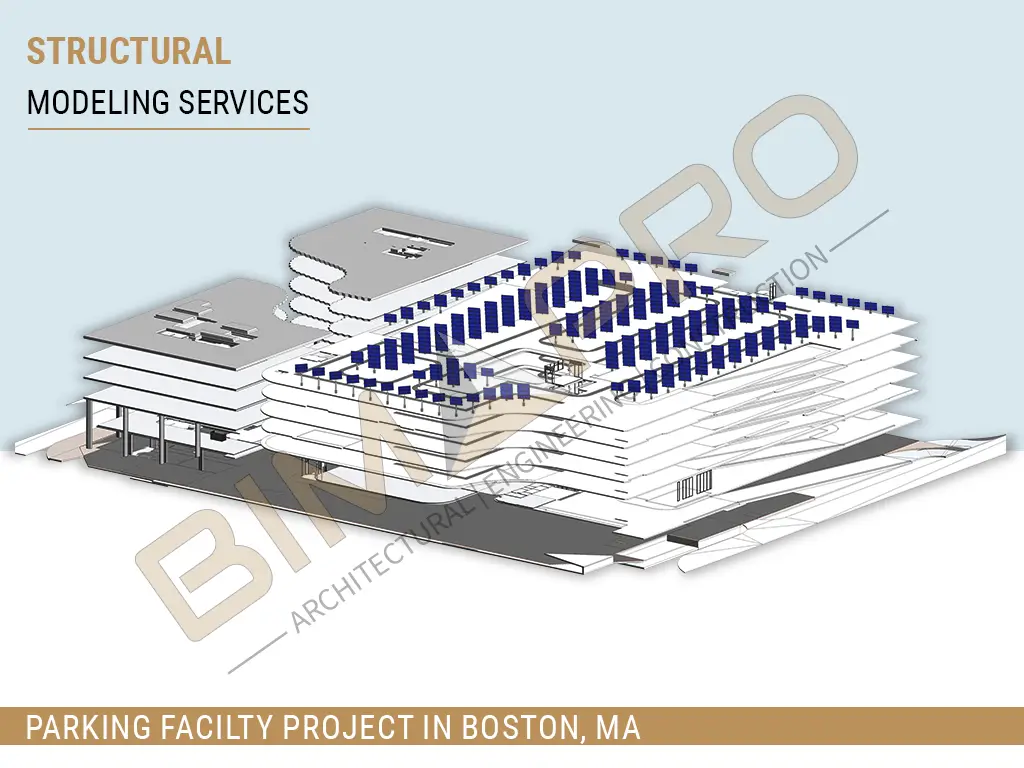
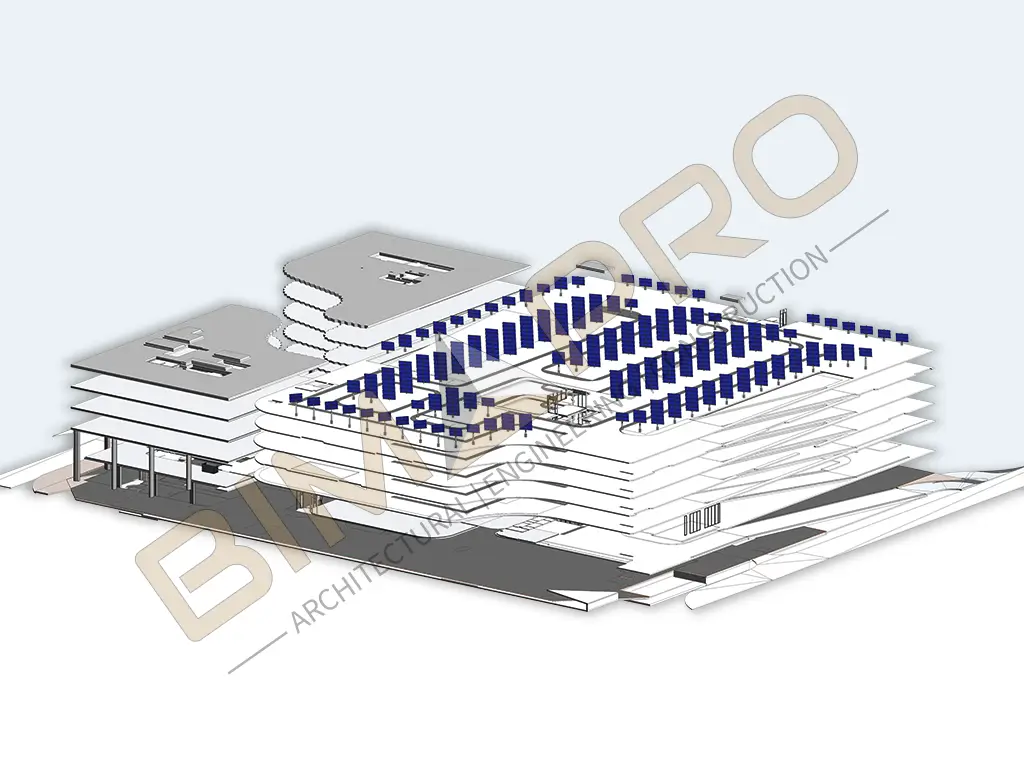
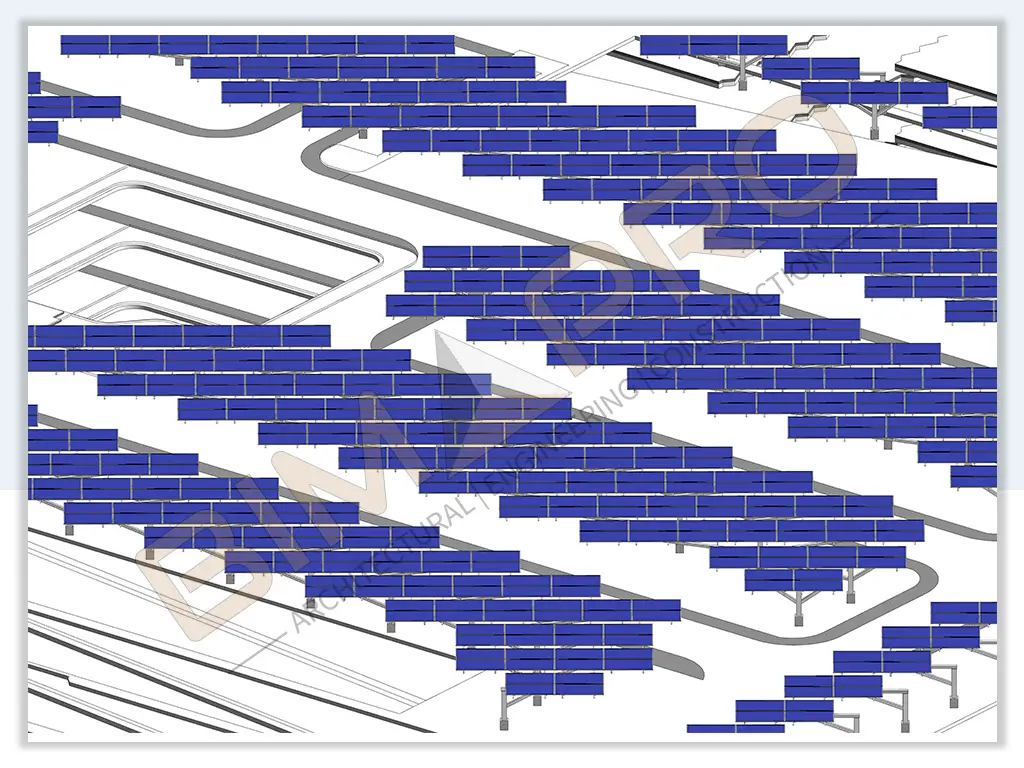
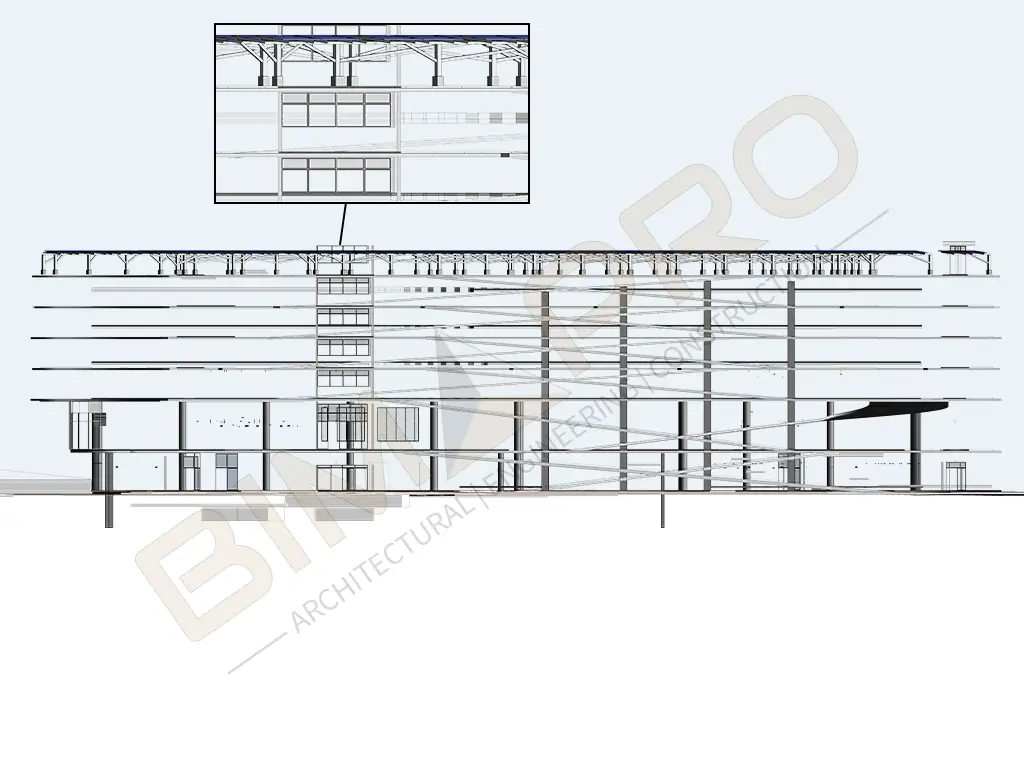
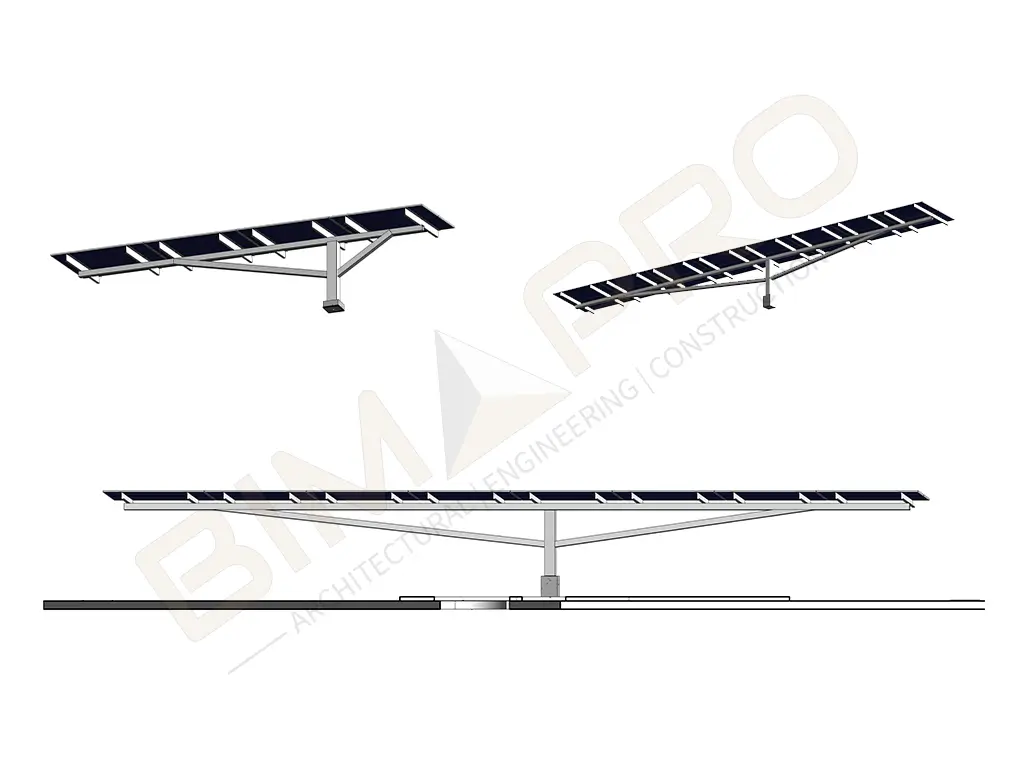
We have provided structural BIM services for approximate 280,000 sq.ft. 7 story parking facility project located in Boston, Massachusetts. Our scope of work included 3D modeling of structural steel, and approx. 1300 solar panel modeling. We have successfully delivered the detailed an accurate structural BIM model with construction documents.

Project Location: Boston, MA

Services Provided:
Structural Modeling, Construction Documentation

Area:
280,000 sq.ft.

LOD:
350

Software:
Revit, Tekla

1,000+

Successful Projects

5+

Years of Experience

10+

Sectors Served

Let us know your about your Structural BIM Services Requirements in Boston

Architectural Modeling Services | Residential Project | Miami, Florida

Architectural Modeling Services | Residential Project | Miami, Florida

Architectural Modeling for Apartment Project in Miami, FL

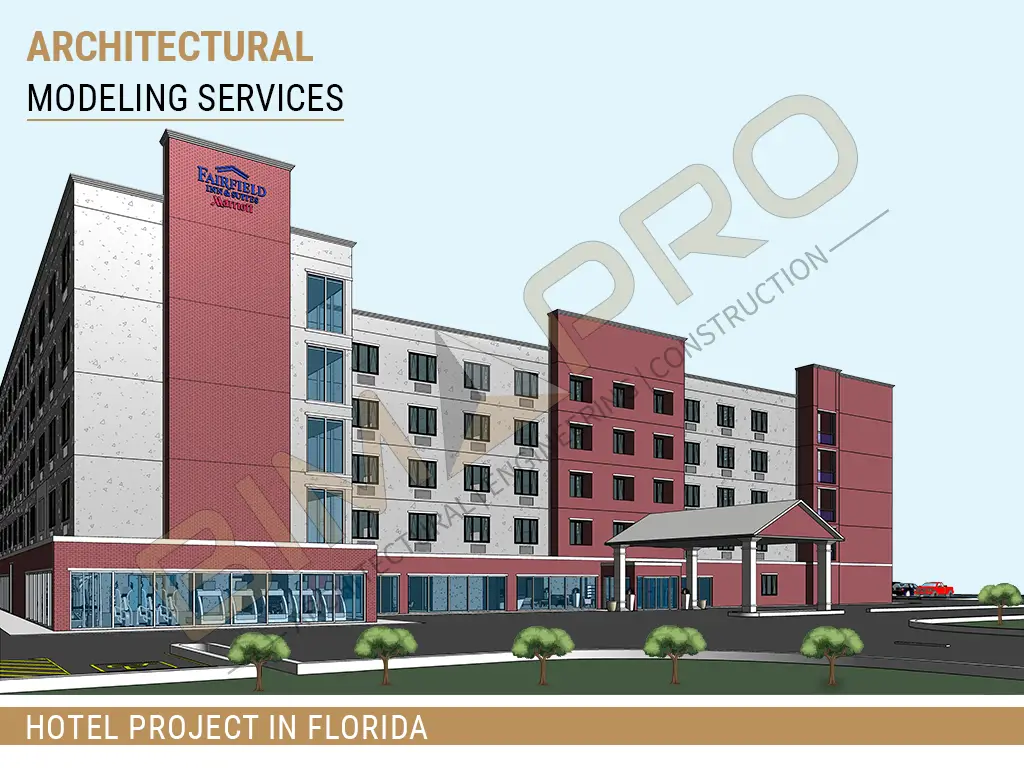
We have provided Architectural Modeling Services for a Miami, Florida based 18 story multi-family Residential apartment project. We have integrated 4D scheduling “time” to the 3D architectural model with construction documents set (CDs set) level of detailing to our client by using multiple BIM software such as Revit, Fuzor, Navisworks.

Project Location: Miami, Florida

Services Provided: Architectural Modeling, 4D simulation, Revit Family Creation, Construction Documentation

Area: Approx. 450,000 sq. ft.

LOD: 350

1,000+

Successful Projects

5+

Years of Experience

10+

Sectors Served

Explore Our Architectural Modeling Projects in USA

The current query has no posts. Please make sure you have published items matching your query.

Let's Discuss your Architectural Modeling Requirements

BIM Model Creation Services for Residential Project in Texas

BIM Model Creation Services for Residential Project in Texas

BIM Coordination Services for Residential Project in Austin, TX

We have provided BIM modeling and coordination services for a 7-story multi-family Residential project in Austin, Texas.

Services Provided: BIM Modeling – Architectural Modeling, MEP Modeling | BIM Coordination | Construction Documentation

Project Location: Austin, Texas

Area : 180,000 SQFT

Software: AutoCAD, Revit, Navsiworks

1,000+

Successful Projects

5+

Years of Experience

10+

Sectors Served

Project Description: 

Our team well understood the project scope, expectations and requirements and produced high fidelty Revit models for Architectural, Mechanical, Electrical, Plumbing disciplines and coordinate them interdisciplinary and intra-disciplinary by running clash detections to minimize the clashes and produce the clash-free coordinated BIM model.

We had a dedicated team assigned to finish the project with quality, speed and quick turnaround time. Along with modeling our team were efficiently participating in coordination meetings whenever required.

Explore More BIM Modeling and Coordination Projects

The current query has no posts. Please make sure you have published items matching your query.

Let's discuss your BIM Coordination Requirements

Structural Modeling Services for Garage Project in Houston, Texas

Structural Modeling Services for Garage Project in Houston, Texas

Structural BIM Modeling Services for Garage Project in Houston, TX

We have provided structural BIM services for a Houston, Texas based 6-story Garage project. We have created 3D modeling for structural elements such as beams, columns, slabs, foundations, trusses, braces, etc. 

Our team have successfully delivered the garage structural model with quality and quick turnaround time.

Project Location: Houston, Texas 

Services Provided: Structural Modeling

Software: Revit, Tekla

1,000+

Successful Projects

5+

Years of Experience

10+

Sectors Served

Explore More Revit Structural Modeling Services Projects in USA

The current query has no posts. Please make sure you have published items matching your query.

Let's Discuss your Revit Structural Modeling Services Requirements in Houston

Architectural Modeling Services for Warehouse Project in Houston, TX

Architectural Modeling Services for Warehouse Project in Houston, TX

Revit Architectural Modeling Services for Warehouse Project in Houston, TX

We have provided Revit Architectural modeling services in Houston, Texas based Warehouse project. We have created 3D model including floor plan, exterior view with the necessary details , such as the placement of storage racks, loading and unloading areas, and specialized workstations.

Services Provided: Revit Architectural Modeling Services 

Project Location: Houston, Texas

Software: Revit, AutoCAD

1,000+

Successful Projects

5+

Years of Experience

10+

Sectors Served

Explore More Architectural Modeling Projects in USA

The current query has no posts. Please make sure you have published items matching your query.

Let's Discuss your Architectural Modeling Requirements